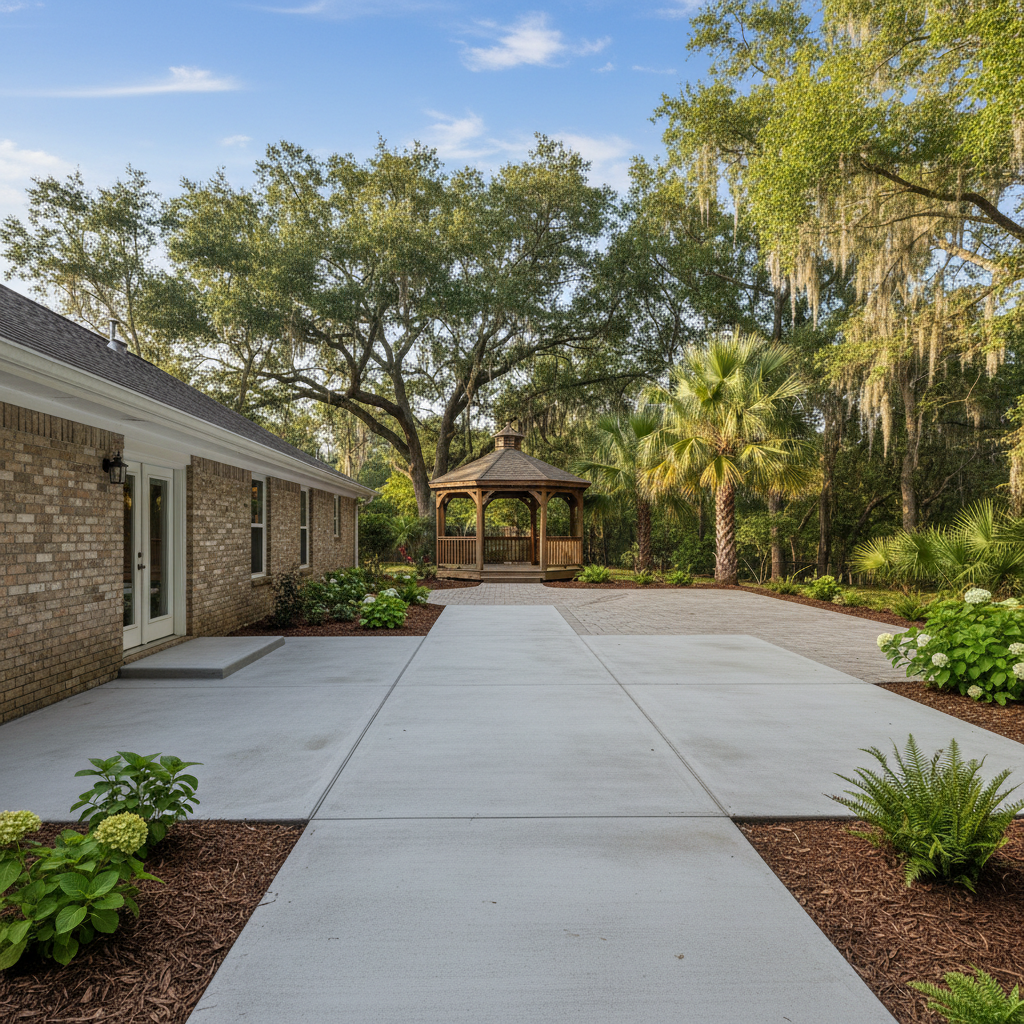
When's the best time to pour concrete in Mobile? That's a question I hear a lot, and it's a really good one. Our weather down here isn't like other places; what works in, say, Nebraska, just won't fly here. You've got to think about our humidity, our rain, and those scorching summers. Getting your concrete flatwork done right means understanding how Mother Nature plays her hand.
When to Schedule Your Concrete Project in Mobile
Honestly, there's no single 'perfect' day for pouring concrete around here. It's more about dodging the 'worst' days, if you ask me. What I tell folks is this: spring and fall are generally your best bets. The temperatures are usually milder then, and you don't have the intense summer heat or the constant threat of cold snaps we sometimes get in winter.
- Spring (March-May): This is prime time. The ground's thawed out, the air's warm but not oppressive, and you get a good curing environment. You still need to watch for those pop-up thunderstorms, though, don't you? We've all seen how fast a sunny morning can turn into a deluge in Mobile.
- Summer (June-August): Sure, you can pour in summer, but it's trickier. The heat makes the concrete set faster, which means less time for finishing. Plus, high humidity can mess with the curing process if you're not careful. We often have to adjust our mixes and work super early in the morning to beat the heat. It also means you'll need to keep that concrete well-hydrated during curing, which is absolutely critical.
- Fall (September-November): Another excellent window. Temperatures are cooling down, but it's still warm enough for proper curing. You're usually past the worst of hurricane season, too, though you always have to keep an eye on the tropics.
- Winter (December-February): This is usually our slowest time. While we don't get deep freezes like up north, we definitely get cold snaps. Concrete needs to cure above a certain temperature (usually 40°F or 50°F, depending on the mix) for a good amount of time. If it freezes too early, you'll end up with weak, flaky concrete. We can use special admixtures or blankets, but it adds cost and complexity. Unless it's an emergency, I usually advise waiting for warmer weather.
Weather Conditions That Really Affect Concrete Pours
It's not just the season; it's the daily forecast. Here's what I'm always looking at:
- Temperature: Too hot, and it dries too fast. Too cold, and it won't cure properly. We're aiming for that sweet spot, usually between 50°F and 80°F.
- Humidity: High humidity, like we always have here in Mobile, can slow down evaporation. This can be good for curing, but it also means you've got to watch for surface issues like blistering if you're not careful with finishing.
- Rain: This is a big one. You absolutely cannot pour concrete in the rain. It washes out the cement, weakens the mix, and makes a huge mess. If rain is in the forecast, we reschedule. Period. Even after the pour, heavy rain on fresh concrete can damage the surface.
- Wind: Believe it or not, wind can be a problem. It speeds up evaporation, especially on hot days, which can lead to cracking. We sometimes use windbreaks or apply curing compounds sooner if it's windy.
Protecting Your Concrete Investment Year-Round
Once your concrete's in, your job isn't over. You've got to protect it, especially with our climate. Here's how:
- Proper Curing is Key: This starts right after we pour it. We use curing compounds, wet burlap, or plastic sheeting to keep the moisture in. This is critical for strength and durability. Don't let anyone tell you otherwise.
- Sealing: I can't stress this enough. Sealing your concrete is like putting sunscreen on your skin. It protects against moisture penetration, stains, and wear. In Mobile, with our frequent rains and high humidity, a good quality sealer is a must. It'll extend the life of your driveway, patio, or sidewalk significantly. We recommend resealing every few years, depending on traffic and exposure.
- Cleaning: Keep it clean. Dirt, grime, and especially organic matter like leaves and mildew (which thrives here in our humid environment, especially in shady spots like under oak trees in Midtown) can trap moisture and degrade the surface over time. A good pressure wash now and then, combined with a mild detergent, will keep it looking good and performing well. Just be careful with the pressure; too high and you can damage the surface.
- Drainage: Make sure water drains away from your concrete, not towards it or pooling on it. Proper grading during installation is crucial, but if you notice water pooling, address it. Standing water is the enemy of concrete.
- Avoid Harsh Chemicals: Be careful with de-icers in the rare event of a freeze. Most de-icing salts can damage concrete surfaces. Sand is a safer bet if you need traction.
Look, concrete is tough, but it's not indestructible. Taking these steps will make sure your investment lasts for decades. We at Port City Concrete take pride in doing the job right the first time, but a little care from you goes a long way. If you've got questions about your specific project or need advice on maintenance, don't hesitate to give us a call. We're here to help our neighbors in Mobile keep their concrete looking great.