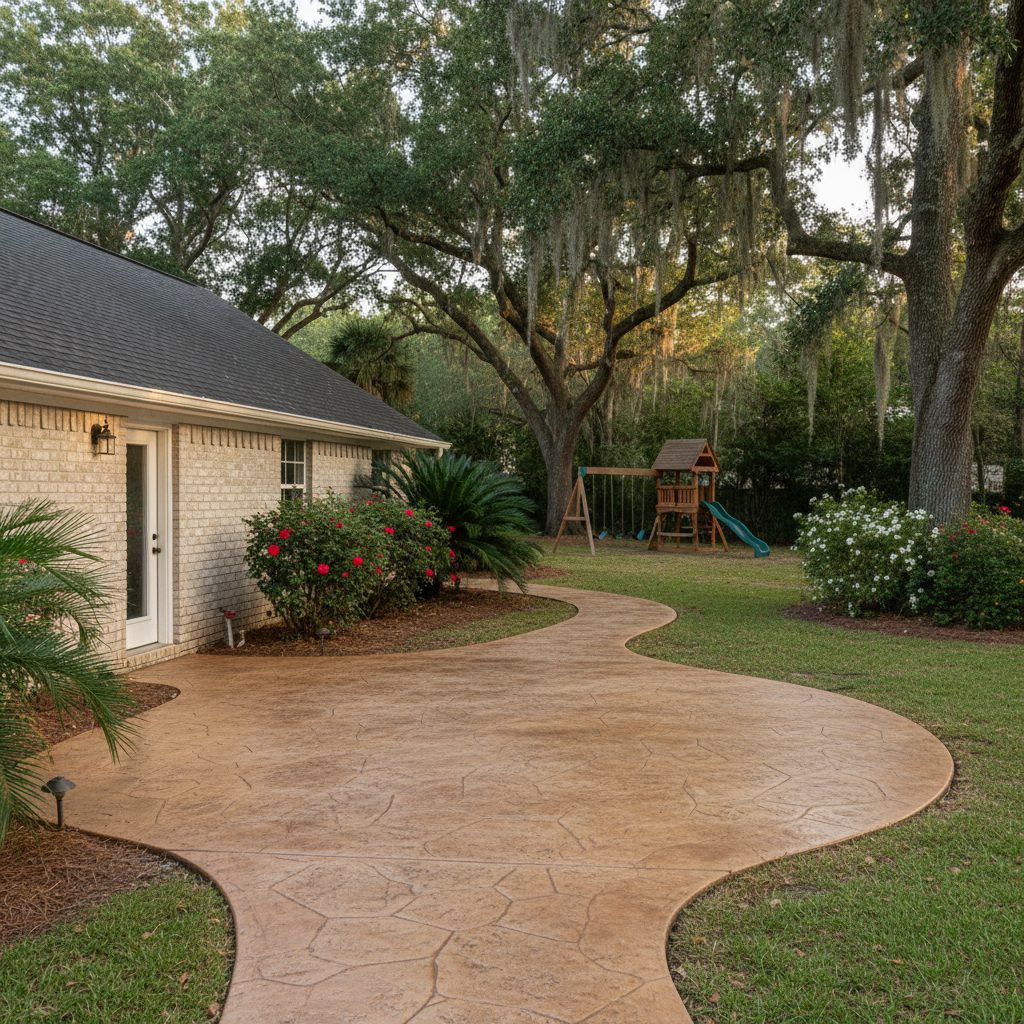
So, you're thinking about putting in a new driveway, a patio, or maybe even a foundation right here in Mobile. That's a solid investment in your place, but down here on the Gulf Coast, it’s not as simple as just calling a crew and getting it done whenever. Our unique climate means you really have to think about the weather – not just for the actual pour, but for how that concrete will hold up over the years. Believe me, I've seen plenty of good intentions fall apart because folks didn't factor in our heat, humidity, and those sudden, torrential downpours.
When's the Best Time to Pour Concrete in Mobile?
Honestly, the sweet spot for pouring concrete in Mobile usually lands in the spring and fall. Why? Because that's when you get moderate temperatures and stable conditions. We're really looking for air temperatures that consistently stay between 50°F and 85°F. That's the window when concrete cures just right, gaining its full strength without much fuss.
- Spring (March-May): This is often perfect. You get those milder temperatures, and while we can definitely get some rain, it's usually not the absolutely insane downpours we see in summer.
- Fall (October-November): Another fantastic stretch. The intense summer heat has typically backed off, and humidity levels tend to be much more manageable.
You really want to steer clear of the extremes if you can help it. Pouring concrete isn't like baking a cake, you know? You can't just stick it in the oven and walk away. It's a chemical reaction, and that reaction is super sensitive to temperature.
How Mobile's Weather Really Messes with Concrete
Our climate here in Mobile, with its high humidity, heavy rainfall, and clay-heavy soils, makes concrete work a totally different ballgame compared to other parts of the country. Here’s what we’re up against:
The Heat and Humidity
Summers here are brutal, and that goes for more than just us humans. High temperatures speed up the hydration process in concrete. Sounds good, right? Well, not always. If the surface dries out too fast, especially when it's hot and windy, you can end up with plastic shrinkage cracks before the concrete even sets. That's a weak surface just waiting to happen. We're talking about temperatures above 90°F being a genuine problem.
Then there's the humidity. Mobile sits right near the bay, and that coastal air is thick with moisture. High humidity can actually slow down the drying process, which makes it tricky to finish the concrete properly because the bleed water takes longer to evaporate. On the flip side, if the humidity is low, it can pull moisture from the surface too quickly, also leading to cracks.
Rain, Rain, Go Away
We certainly know a thing or two about rain in Mobile. Heavy rain during a pour can wash out the surface, dilute the cement paste, and weaken the concrete if it hasn't had time to gain initial strength. Even a saturated subgrade from rain before placement can cause issues. That's why we're always watching the forecast like a hawk. You truly need at least 2-3 days of dry weather for concrete to set properly.
The (Rare) Cold Snaps
While we don't get deep freezes like folks up north, those occasional cold snaps can still cause problems. If fresh concrete freezes during the first 24 hours, it can lose up to 50% of its potential strength. Cold temperatures slow down the curing process, and if water in the concrete freezes, it expands and can cause cracks. The good news is Mobile's frost line is pretty shallow, around 6 to 12 inches, so deep freezing isn't a constant threat. Still, we need to protect new pours if temperatures dip below 40°F.
Protecting Your Concrete Investment Year-Round
Once your concrete is in, you want it to last. Here's how to protect it from Mobile's climate:
1. Proper Curing is Key
This starts the moment the concrete is poured. Curing isn't just letting it dry; it's about controlling the moisture loss so the concrete gains maximum strength. In our hot, humid climate, we use methods like curing compounds, wet coverings (think damp burlap), or even misting the surface to keep it from drying too fast. This is especially important for the first 7 days.
2. Seal It Up
This is probably the most important thing you can do for long-term protection. Concrete is porous, meaning it can absorb water, oil, and other stuff. A good quality sealer acts like a shield, blocking moisture from getting in and preventing stains. This is huge for preventing issues like mildew, surface dusting, and damage from the freeze-thaw cycles that even our mild winters bring. For most driveways, you'll want to reseal every 2 to 4 years, depending on traffic and sun exposure.
3. Watch Out for De-Icers
If we do get ice, be careful what you put on your concrete. Rock salt can be really harsh and cause surface scaling and cracks. Look for concrete-safe de-icers, like calcium chloride or magnesium chloride blends, and use them sparingly. Sand or kitty litter can work for traction without the chemical damage.
4. Keep it Clean
Regular cleaning goes a long way. Sweep away debris, leaves, and dirt. Occasional washing with mild soap and water will keep your concrete looking good and prevent organic growth that thrives in our humid environment.
At Port City Concrete, we get the challenges of building and maintaining concrete in Mobile. We make sure we're using the right mix designs, timing our pours correctly, and giving you the best advice for protecting your investment. We know this isn't just concrete; it's part of your home.